Optimal Timing for Drywall Repairs
Drywall repairs are most effective when performed during stable weather conditions, typically in dry, moderate climates. Avoiding extreme humidity or temperature fluctuations helps ensure proper drying and adhesion of repair materials. Timely repairs can prevent further damage and maintain the integrity of the wall surface.
Spring and summer often provide ideal conditions due to lower humidity and warmer temperatures, facilitating faster drying times.
Avoid repairs during rainy or humid periods to prevent moisture from affecting the drywall and repair materials.
In regions with high humidity, it is best to wait for drier months to ensure repairs cure properly and last longer.
Scheduling repairs when the environment is stable allows for better preparation and finishing, reducing the need for rework.
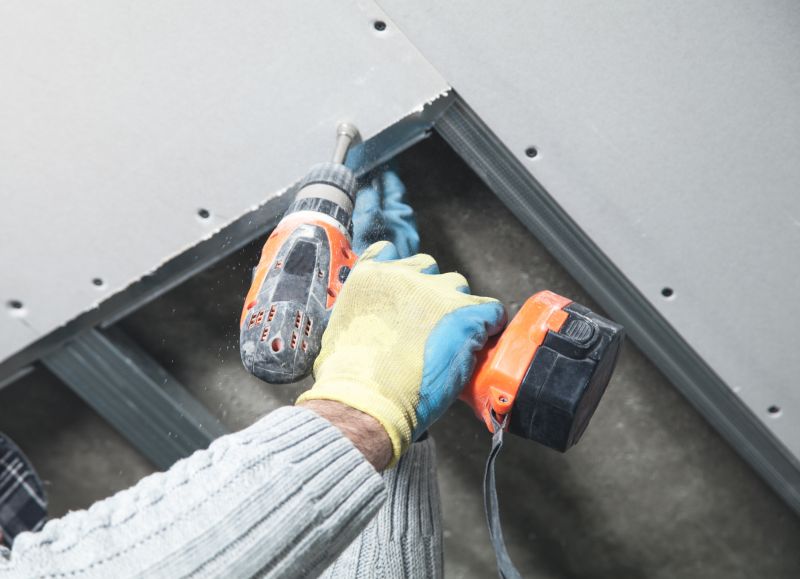
Image of a drywall patch being sanded for a smooth finish.
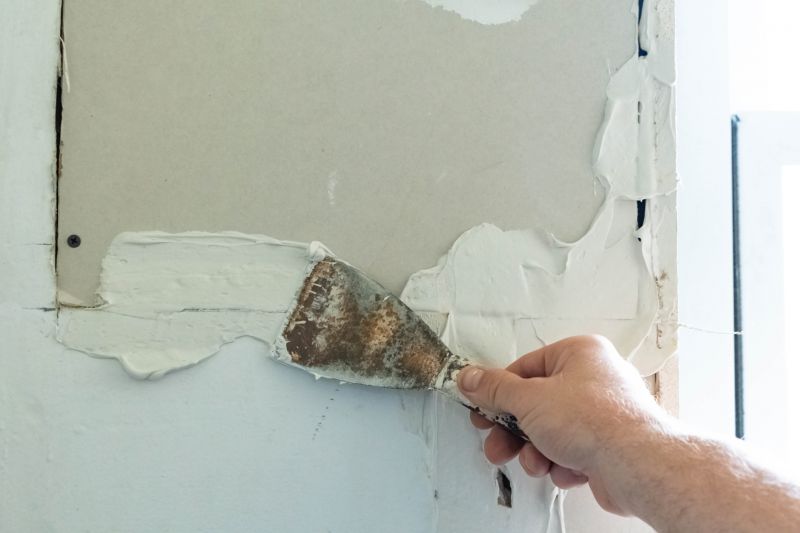
Close-up of drywall knives and sanding tools used in repairs.
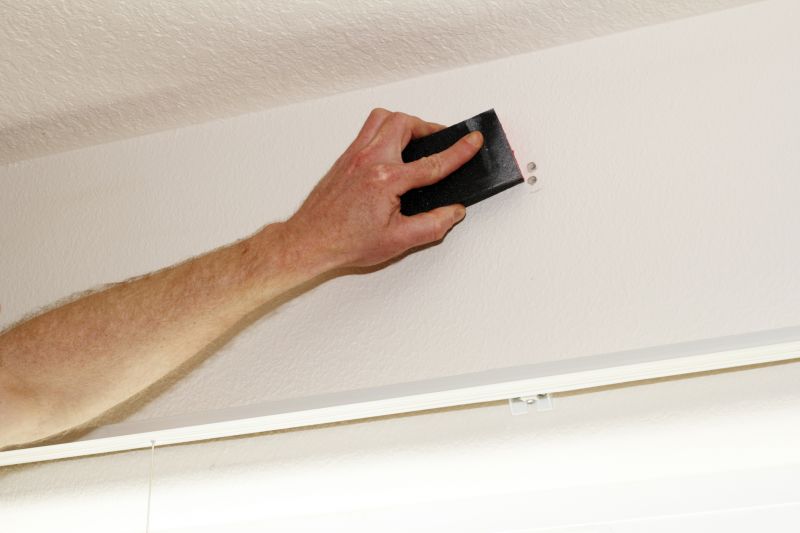
Image showing a seamless drywall patch after painting.
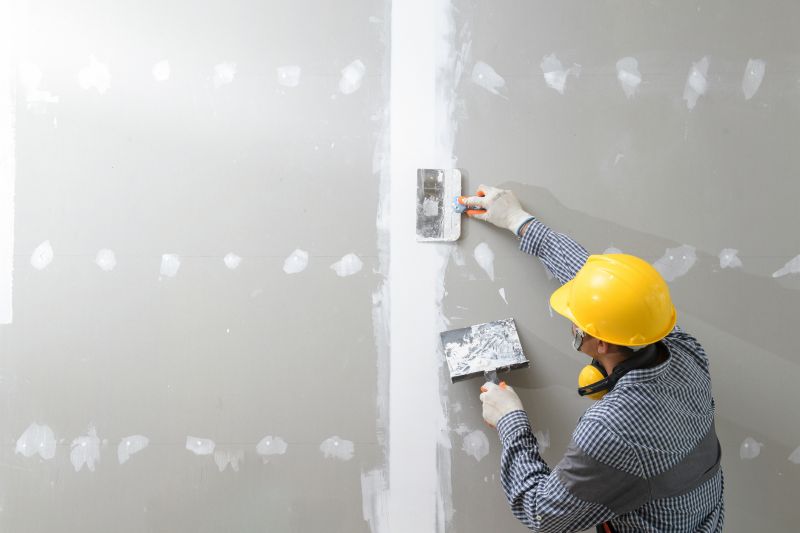
Ways to make Drywall Repairs work in tight or awkward layouts.
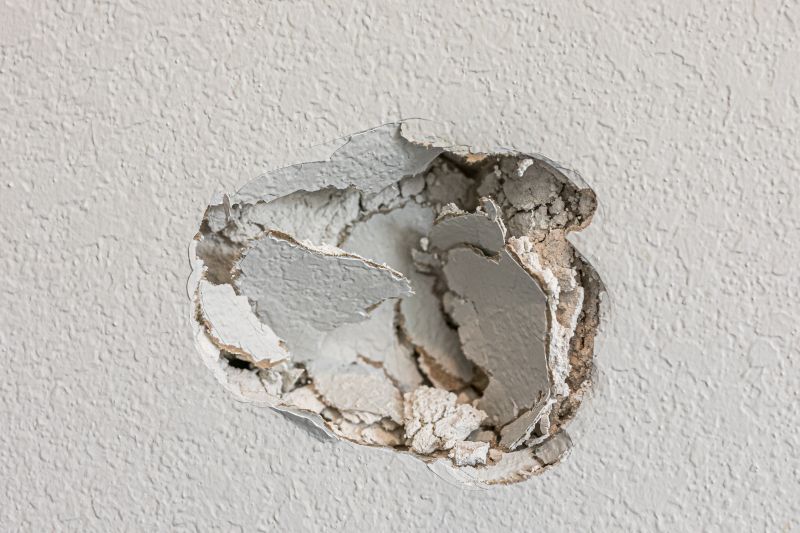
Popular materials for Drywall Repairs and why they hold up over time.
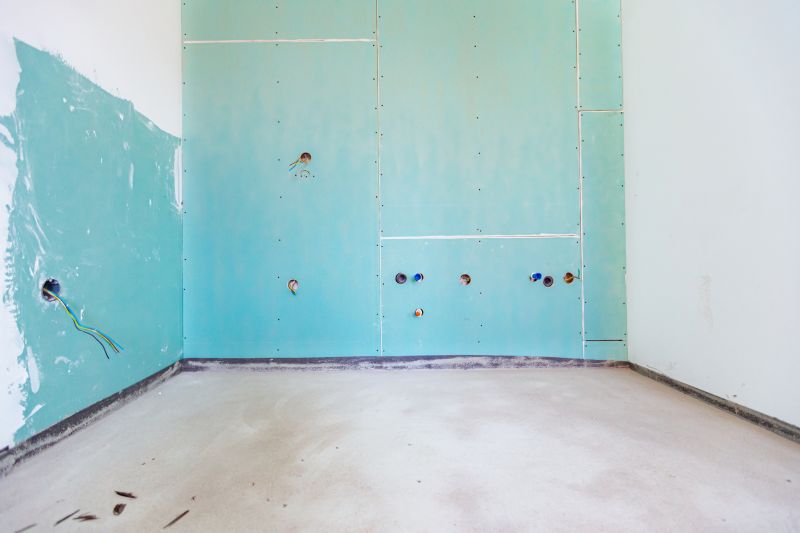
Simple add-ons that improve Drywall Repairs without blowing the budget.
| Season | Ideal Conditions |
|---|---|
| Spring | Moderate temperatures, low humidity |
| Summer | Warm, dry weather |
| Fall | Stable conditions, moderate humidity |
| Winter | Indoor repairs recommended during heated months |
| Rainy season | Avoid due to high moisture levels |
Drywall repairs are a common necessity in maintaining the appearance and structural integrity of interior walls. Damage can occur from impacts, moisture, or settling, requiring timely attention to prevent further deterioration. Properly executed repairs involve patching, sanding, and finishing to achieve a seamless surface. Statistics indicate that well-maintained drywall can extend the lifespan of interior walls by several years, reducing the need for extensive renovations.
Advances in drywall repair techniques and materials have improved the durability and appearance of patched areas. Using high-quality joint compounds and proper sanding methods results in a smooth, paint-ready surface. The timing of repairs, aligned with favorable weather conditions, can significantly influence the quality and longevity of the repair work.
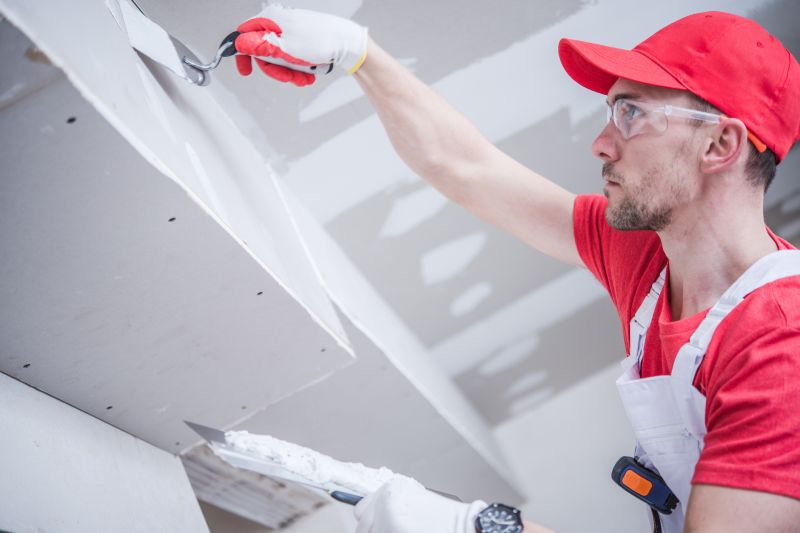
Collection of tools used for drywall patching and finishing.
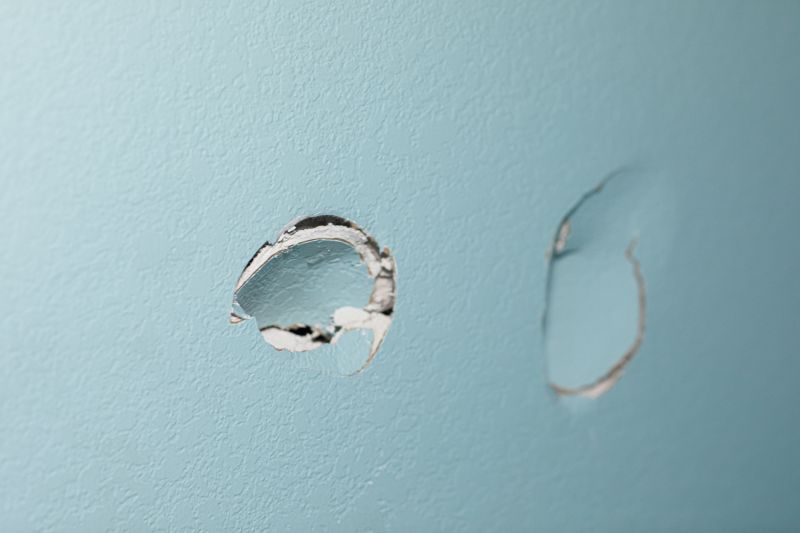
Comparison image showing damaged drywall and the repaired surface.
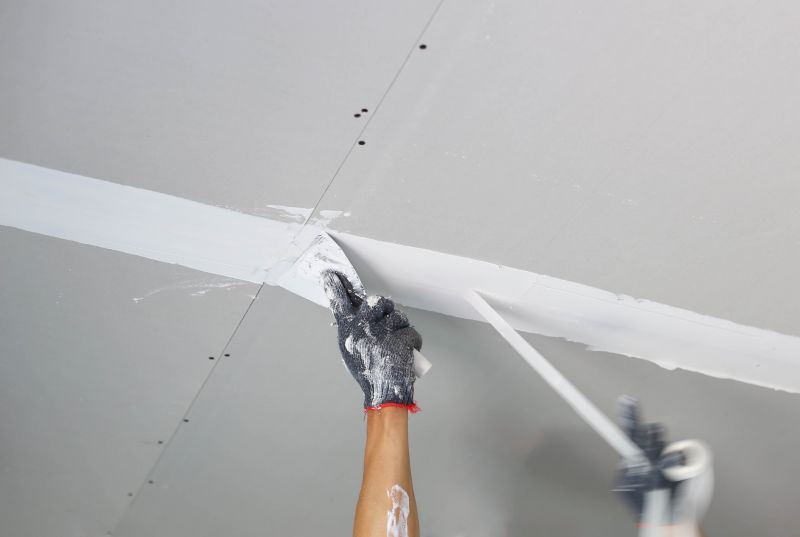
Applying joint compound for a smooth finish.
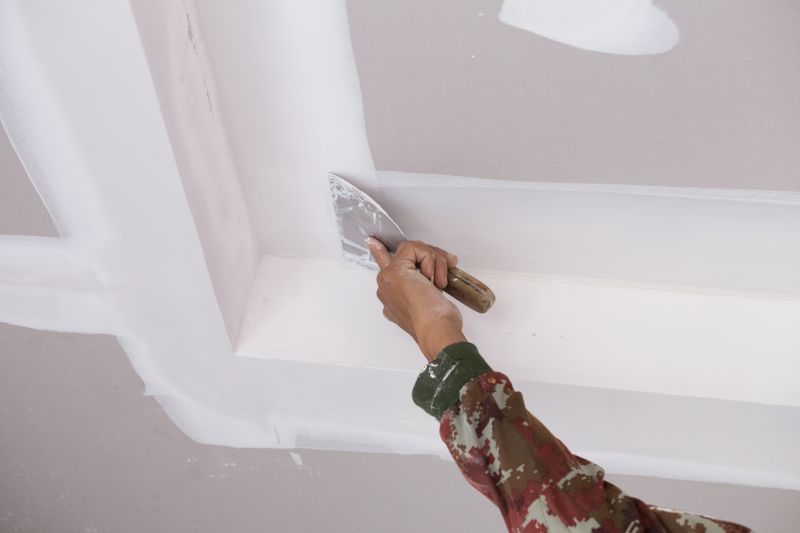
Finished repair after painting matches the surrounding wall.
High-end options that actually feel worth it for Drywall Repairs.
Finishes and colors that play nicely with Drywall Repairs.
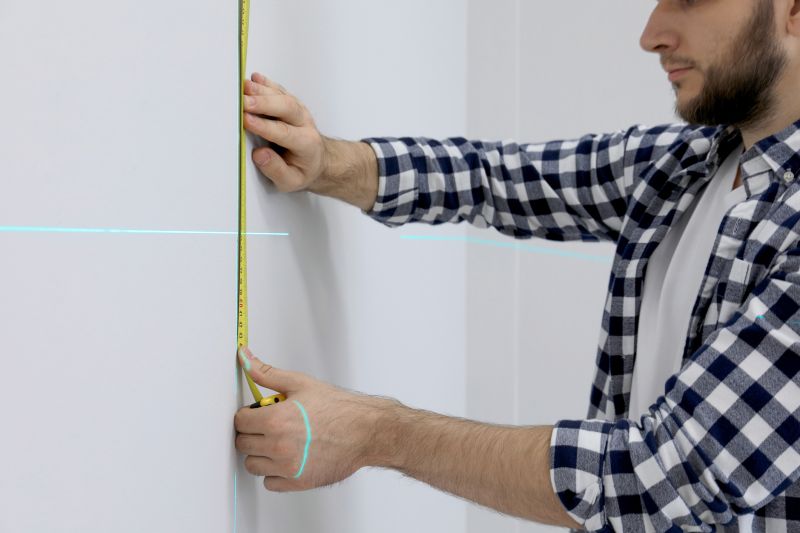
Little measurements that prevent headaches on Drywall Repairs day.
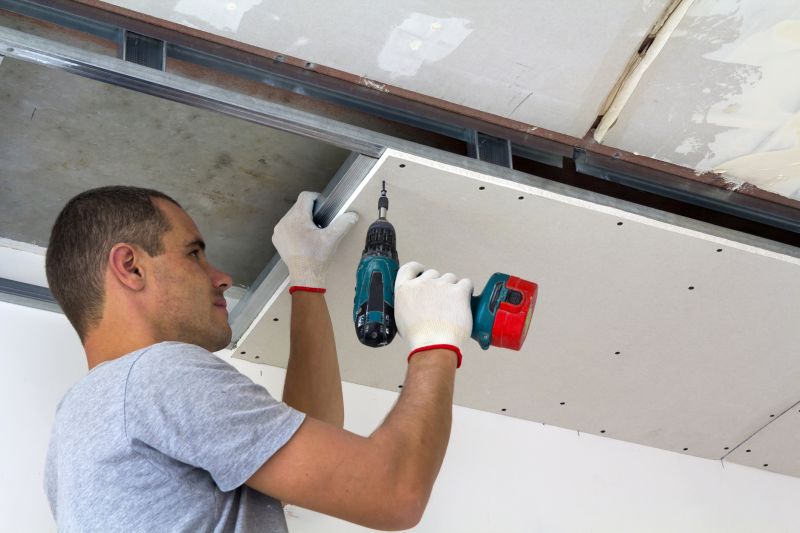
A 60-second routine that keeps Drywall Repairs looking new.
Interested in drywall repair services? Filling out the contact form can provide more information and help schedule a consultation for timely and effective repairs.